
Farm and Agricultural Installations
Intricate Renewables helps Alberta farmers and agricultural operations take control of energy costs with engineered solar systems designed for reliability and return on investment. From irrigation pumps to grain dryers, we build solutions that keep your operation running efficiently while reducing dependence on volatile electricity rates. Our expertise ensures your system is optimized for performance and tailored to the unique demands of rural properties.
The Intricate Difference
-
Engineered for Agriculture
Systems designed for high-load equipment and seasonal energy patterns.
-
Grid & Off-Grid Expertise
Solutions for farms with limited grid capacity or remote locations.
-
Transparent Pricing
No gimmicks — just clear, honest quotes and long-term value.
-
Regulatory & Incentive Support
We handle permits and help you access agricultural energy programs.
-
Built by Farmers for Farmers
Our design team has farmers, so they know your work and what your energy needs are. Trust them to apply modern renewable solutions for your agricultural applications.
-
Scalable and Battery-Ready
Store excess energy for peak demand or backup power during outages.
The Install Process
Step 1: Design and Optimize:
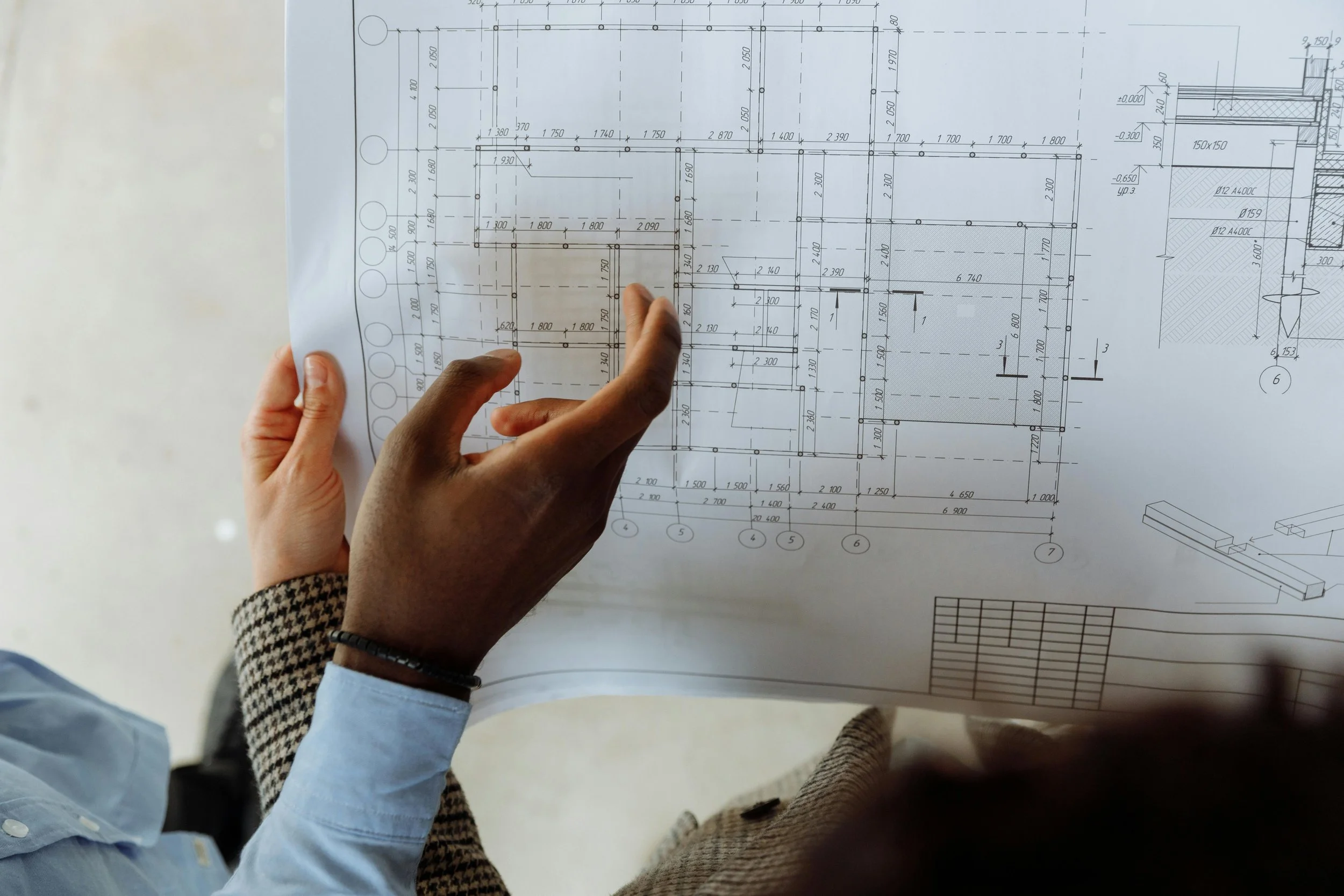
We begin by listening carefully to understand the unique energy needs and goals of your rural property or small farm operation. Our engineering team employs advanced industry tools to design a solar energy system tailored specifically for large open spaces, agricultural buildings, and varied land features common in rural settings.
We take into account factors such as the positioning of barns, outbuildings, water pumps, and farmhouse rooftops, as well as shading from trees, silos, or rolling terrain. This detailed analysis allows us to accurately estimate solar production potential across your property. Our designs focus on maximizing energy generation by optimizing panel placement, tilt angles, and system interconnections, ensuring reliable performance even in remote locations. We also evaluate the use of batteries and generators for additional self-reliance and flexibility on your property.
Balancing installation costs, system functionality and durability, and long-term economic benefits is central to our approach. We also consider any specific operational demands of your farm, such as powering irrigation systems, grain dryers, or electric fencing.
You will receive a formal proposal presenting multiple system options tailored to your property and farming activities. We then meet to review and explain the differences, providing professional recommendations aligned with your priorities. Once you select the best fit, we proceed with installation and ongoing support, helping your farm transition to clean, cost-effective, and sustainable solar energy.
Step 2: Permitting
While there is a lot more flexibility in rural areas, many counties still require some permitting and licensing approvals. Our team consists of regulatory experts who can navigate this process on your behalf, and ensure that everything is compliant.
One piece that will be mandatory includes our team’s finalized and stamped engineered drawings will be used for the Alberta microgeneration permit application (once approved you can almost think of yourself as your very own mini utility provider!).
You may require an electrical panel upgrade, which we provide with a master electrician.

Step 3: Installation Prep
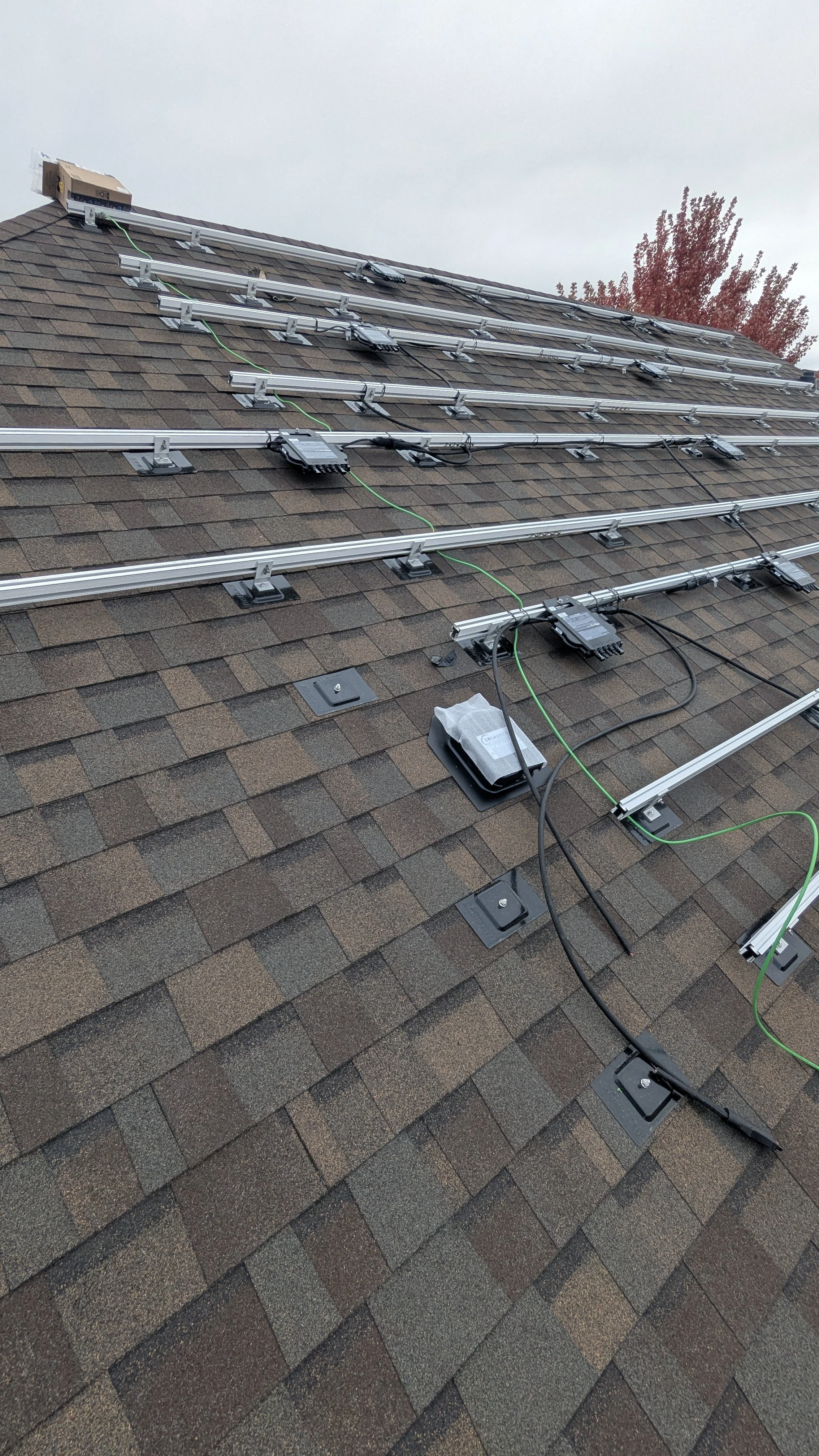
On the day of the install, we start by marking out and confirming the installation locations of the feet and rails that the solar modules are mounted to.
We also map out all electrical points that we need to tie into, including any existing cabling that may run across your property. Alternatively, we can install or extend cabling as required to accommodate system requirements and your property layout.
Step 4: Install Inverters and Trunk Cables
Regardless of roof mount or ground mount, solar systems will require inverters and cabling to connect everything together.
Inverters are the technology that converts your solar energy into an electrical current that you can actually use and consume. There are many different kinds of inverters - but not to worry, our expert engineers will make a recommendation and explain the differences to you. These are installed to ensure the routing of the electrical (AC and DC current) trunk cables properly connect to all solar modules and your property’s AC power system.
Inverters take the solar modules’ DC power and convert it to 240VAC power. The trunk cable is run to connect the inverters in series back to your junction boxes.
You can read more about some of this terminology in our blog: Solar 101 Understanding the Basics.
Step 5: Install Solar Modules
The solar installation process is multifaceted and tailored to the specific application and scale of the project. While the exact steps vary according to the needs of your property or farm operation, the prior steps are foundational.
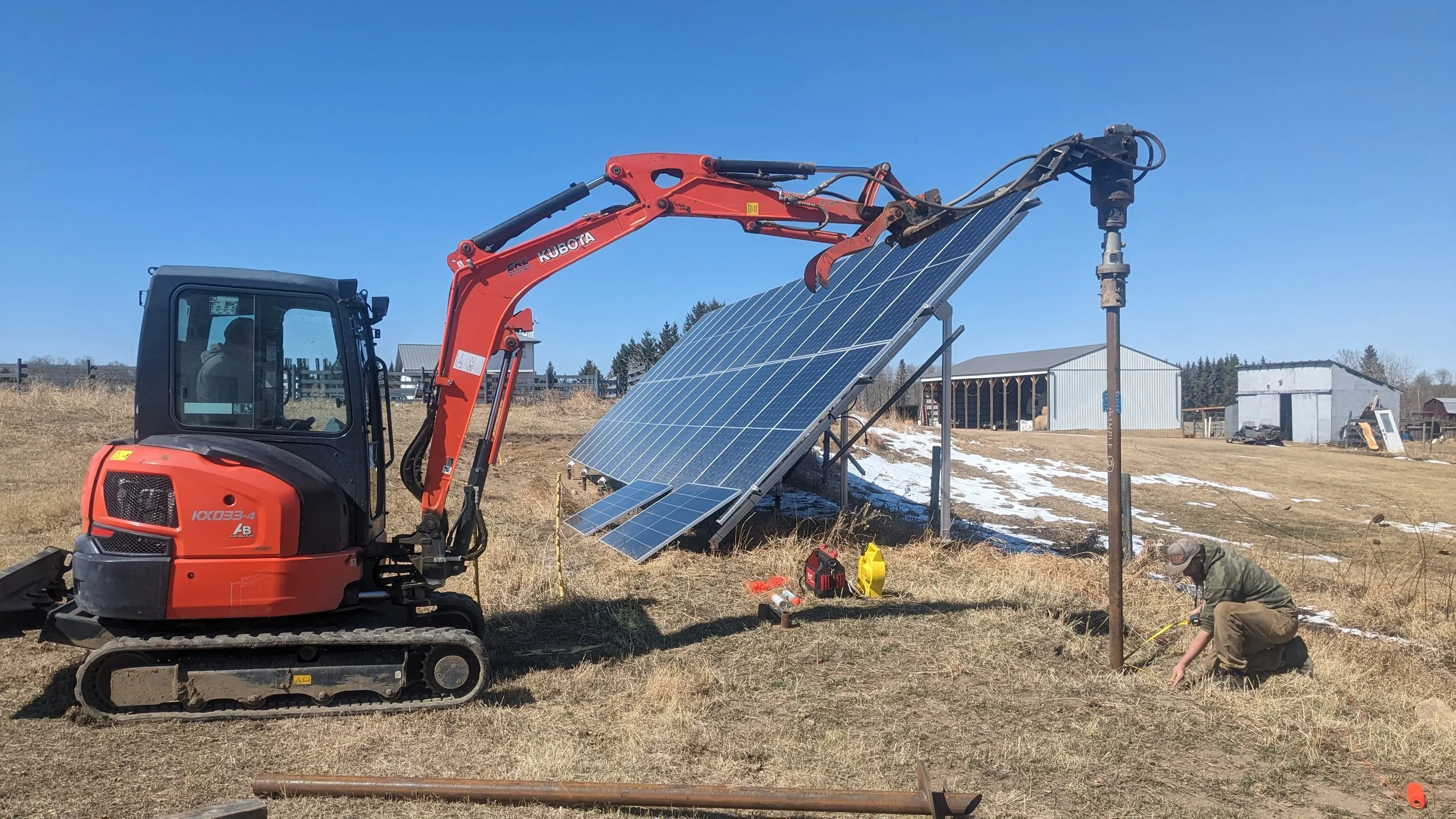
With mounting gear and electrical components in place, the final stage involves placing the solar panels themselves. This completes the main system designed to optimize energy generation for your rural property. We then connect your system to any battery systems you may opt in for, and ensure your farming equipment is connected.
With farmers among our ranks here at Intricate Renewables, we understand what goes into making your property run smoothly and efficiently. Our promise is to a seamless turnkey solution. You shouldn’t have to worry about how your solar system will impact your farm, we make sure there won’t be any disruptions or issues for you before we finish the job.

Step 6: Tie-In to Electrical Panel
Final connections to the electrical panel are made using all necessary breakers and disconnects, fully complying with the Canadian Electrical Code to ensure safety and reliability.
An interesting and important feature of your new solar system is its ability to send excess power back to the grid during periods of overproduction—like sunny summer days. This means any surplus energy generated can flow through your existing electrical distribution infrastructure and contribute to the wider energy network, potentially reducing your overall energy costs and supporting a more sustainable power system.
If you opt to use batteries rather than re-sell to the grid, that is an option also. There is also a hybrid approach, where you can control when you store excess production and when you sell it on.
You can read more about this on our blog: Solar 101 Buying and Selling from the Grid.
Step 7: Inspections, Commissioning, and Startup
Lastly, the final permit inspections are conducted by your local municipality as well as your utility provider. After these inspections are successfully completed and all requirements met, your power company will install a bi-directional meter. This meter plays a crucial role by accurately measuring both the electricity you purchase from the grid and the excess power your system feeds back into it.
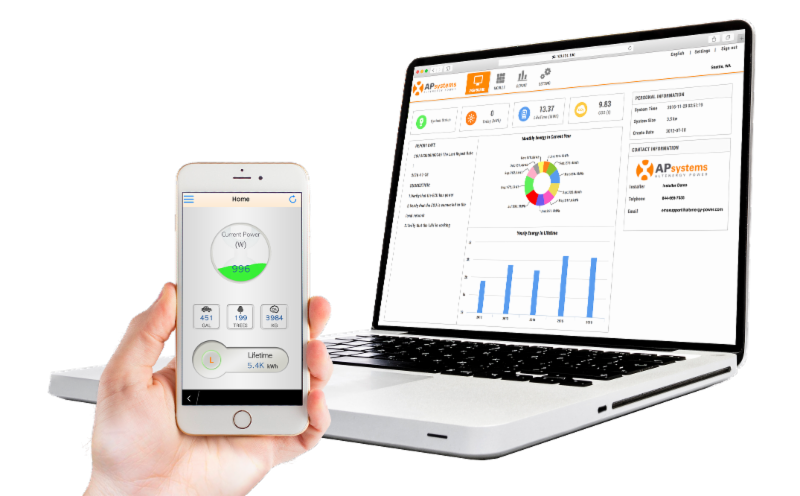
Following the installation of the meter, the setup and commissioning of your solar energy system are finalized. At this point, the system is handed over to you, the homeowner, equipped with the tools and information needed to monitor its performance. This allows you to take full control and, who knows, maybe even become an energy nerd like all of us here at Intricate Renewables!
✺ Frequently asked questions ✺
-
Yes. We design systems to handle high-load agricultural equipment and seasonal usage patterns.
-
We offer off-grid and hybrid solutions with battery storage to keep your operation powered reliably.
-
With more people purchasing electric vehicles, more data centers being built in Alberta, and time-of-use-rates coming soon, electricity prices are only going to go up from here.
Solar locks in your energy costs and reduces exposure to peak pricing and future rate hikes.
-
It’s extremely unlikely.
Solar panels are built to take a beating — and the panels we install are tested to withstand hail up to 25 mm (1 inch) launched at high speed. In Alberta terms: they’re built for our storms, not just sunny days.Most homeowners are surprised to learn that solar glass is often stronger than the glass in your windows or vehicle. Panels sit on a fixed, sturdy frame that doesn't shatter easily, and their tempered glass distributes impact across the surface.
On the rare chance a panel is damaged (usually during extreme hail events), it’s covered under warranty, and replacement is straightforward.
Think of your panels like a windshield made for the weather, not the highway — built thicker, tougher, and ready for Alberta’s mood swings.
-
Snow melts and slides off naturally once the sun comes out — even on cold days — thanks to the slick tempered glass surface.
A few important notes:
Most winter production happens on clear, sunny days, not during heavy snowfall.
Losing a bit of production in a snowstorm doesn’t meaningfully affect your annual output — Alberta’s long summer days more than make up for it.
We don’t recommend climbing on your roof to clear snow. Safety first.
If you have ground mount panels, you can clear the snow but it is unlikely to materially impact your solar production to make a dedicated cleaning effort worthwhile.
If you absolutely want to remove snow from ground mounts or safely accessible areas, use a soft snow rake (never a shovel — metal edges can damage the glass).
Your panels will spend far more time collecting sunlight than wearing a snow blanket. Let physics (and gravity) do the work.
-
Yes, programs are constantly changing and evolving. Contact our team and we can help guide you through available programs and rebates to maximize your savings.
-
We schedule work around your needs and minimize downtime during critical farming periods. Our crews are also trained to be as minimally disruptive as possible.
-
Absolutely. Our systems are modular and scalable for future expansion and are designed with growth in mind.
-
Very little — they’re designed to be low-maintenance.
Solar panels have no moving parts, which means there’s almost nothing to service. Most homeowners simply:Check production occasionally through the app
Rinse dust or pollen if they notice buildup (rare in Alberta)
Let rain and snow do most of the cleaning
We recommend a professional check every 3–5 years to inspect wiring, mounting hardware, and performance — the same way you’d tune up a furnace or hot water tank.
Our systems also include monitoring, so you can see your performance in real time — and we can help catch issues early. If anything ever needs attention, we’re only a phone call away.
Solar is kind of like a good pair of boots: you use them every day, but they don’t ask for much.